
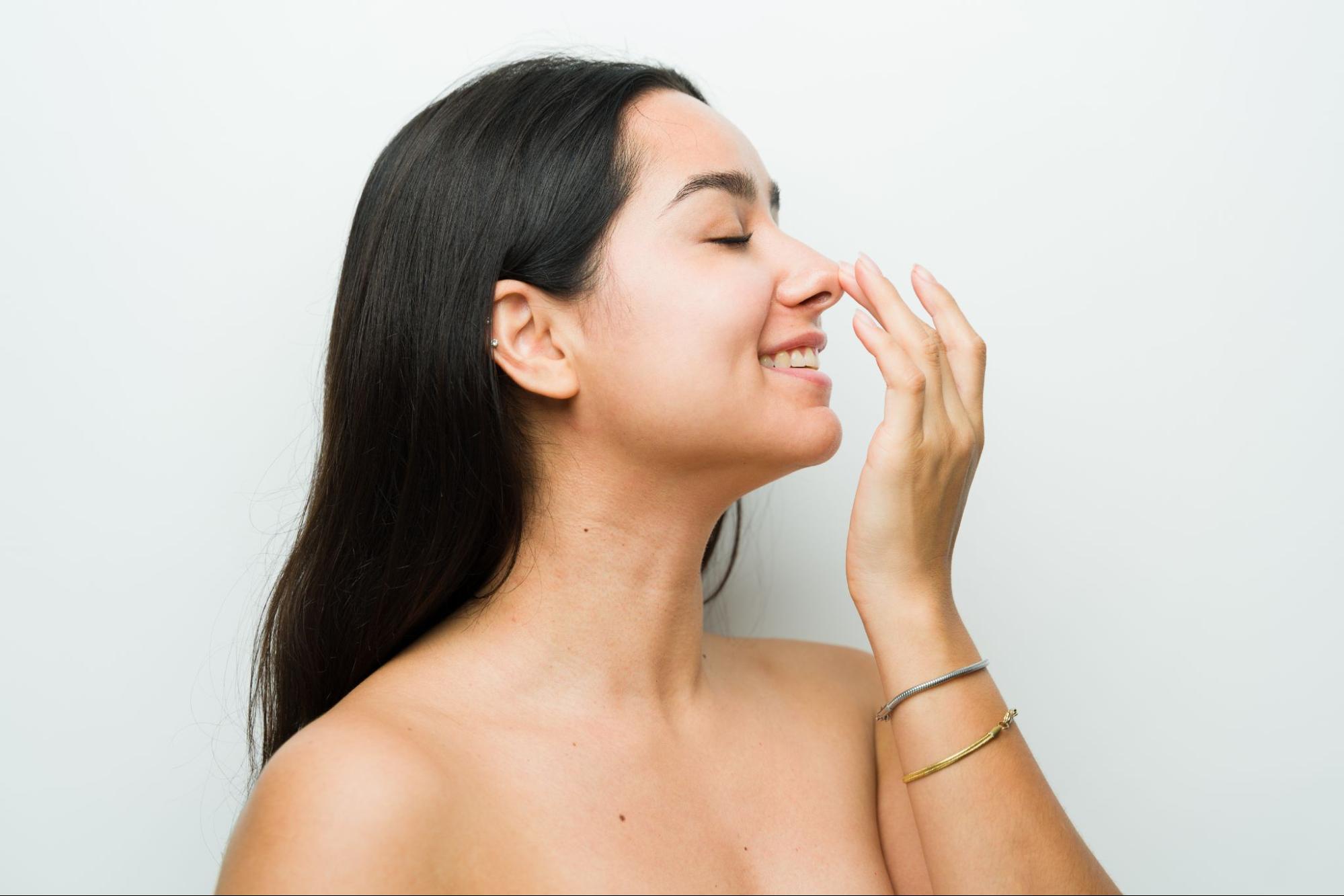
Ever wondered what it’s really like to undergo rhinoplasty, the kind of procedure that doesn’t just reshape your nose but transforms your overall look and confidence? Dr. Bassiri in New York specializes in open rhinoplasty, a technique that offers both cosmetic enhancement and improved nasal function. Let’s begin by exploring how to prepare for your rhinoplasty so you’re ready for what’s ahead.
Before Surgery
A successful rhinoplasty starts with thoughtful preparation. Dr. Bassiri and his team will walk you through every step, but knowing what to expect beforehand can give you extra peace of mind.
The Consultation Process
During your initial consultation, Dr. Bassiri will carefully evaluate your nasal structure, listen to your concerns, and discuss how open rhinoplasty can help refine your nose. This is also when digital imaging comes into play. With advanced imaging technology, Dr. Bassiri provides a clear preview of potential results, offering a valuable way to refine your goals and set realistic expectations before surgery.
Planning for Combined Procedures
If you have functional issues such as breathing difficulties, rhinoplasty can be combined with septoplasty or nasal valve repair. This dual approach addresses both aesthetics and function in a single surgery, minimizing overall recovery time.
Preparing Physically
- Stop smoking and limit alcohol intake several weeks before surgery to support healing.
- Avoid blood-thinning medications, such as aspirin or ibuprofen, for two weeks leading up to the procedure.
- Make sure you have someone available to drive you home after surgery and assist you during the first 24 hours.
With your consultation complete and your preparation underway, it’s time to learn what happens during the procedure itself.
The Open Rhinoplasty Procedure
On the day of your surgery, you’ll be in the care of the skilled hands of Dr. Bassiri, who uses modern techniques to achieve precise and balanced results. Open rhinoplasty is often chosen for patients requiring nasal tip refinement or more complex structural adjustments. If you are still weighing the two approaches, our breakdown of open rhinoplasty versus closed rhinoplasty covers where each one fits.
The Role of General Anesthesia
To keep you completely comfortable, the procedure is performed under general anesthesia. This ensures that you remain unconscious and pain-free throughout the surgery. Most open rhinoplasty procedures run about three hours, though more complex cases can take up to four. Patients go home the same day after a short stay in the recovery room. Some patients ask about staying awake for nasal surgery, which is possible for smaller refinements. Our guide to the awake rhinoplasty explains who that suits.
The Surgical Technique
Open rhinoplasty involves making a small incision at the base of the nose, known as the columella. This approach provides better access to the nasal framework, allowing Dr. Bassiri to perform detailed work on the tip, bridge, and internal structures.
Additional Support Techniques
In cases where extra support is needed, temporary internal splints or silastic sheeting may be placed. This ensures proper healing without the discomfort associated with traditional nasal packing, an outdated method avoided by Dr. Bassiri.
Closure and Protection
Once the desired changes are complete, the incisions are carefully closed, and a splint is applied to the outside of the nose. This splint helps maintain the new shape and protects the nose during the initial healing phase.
With surgery complete, the focus shifts to recovery. In the next section, we’ll cover what to expect during the healing process and how you can support the best possible results.
Recovery and Healing Process
Open rhinoplasty recovery takes time, but with the right care, you’ll be well on your way to seeing refined results. Dr. Bassiri’s modern techniques and post-surgery approach focus on making recovery smoother and more comfortable.
First Week: Managing Swelling and Bruising
- Swelling and Bruising: Expect swelling and bruising around your eyes and nose during the first few days. Bruising typically fades by days 7-10, and swelling starts to reduce around the same time.
- Splint and Suture Removal: At your one-week follow-up, Dr. Bassiri will remove the sutures and the external splint, clean your nose, and check your healing progress.
- Congestion and Mild Pain: While mild discomfort is common, congestion tends to be the primary concern. Pain is usually manageable with over-the-counter medications after the first few days.
The first week is the part patients underestimate. You will not be in significant pain, but you will be congested and breathing through your mouth, and you will be looking at a nose that is taped and swollen rather than the result you were promised. That is normal and it is temporary. Plan for a quiet week at home rather than a productive one.
Weeks 2-4: Returning to Normal Activities
- Swelling continues to subside, especially around the bridge and upper part of the nose.
- Light activities can resume, but avoid heavy lifting or intense exercise for at least three weeks.
- While you may feel ready for social events by week two, waiting a bit longer can help reduce unnecessary stress.
Months 2-6: Refinement and Final Results
- Most of the swelling is gone by six weeks, though the tip of the nose takes longer to refine.
- Final results become noticeable over the course of a year.
- Regular follow-ups help monitor your healing and ensure you’re satisfied with your results.
The tip is the last thing to settle, and there is a reason for it. Skin over the tip is thicker and holds fluid longer than skin over the bridge, so the bridge looks finished months before the tip does. Patients who understand that going in are far more relaxed at the three month mark than patients who expected the whole nose to be done by six weeks. You can see settled results across a range of noses in our rhinoplasty gallery.
By following Dr. Bassiri’s guidance and giving your body time to heal, you can enjoy lasting, natural-looking results.
Long-Term Care and Results
Modern rhinoplasty techniques, such as those used by Dr. Bassiri, are designed to deliver lasting, stable results. By focusing on proper structural support during surgery, both the shape and function of your nose are preserved over time.
Protecting Your Nose
Taking care of your nose after rhinoplasty is essential for maintaining results. Applying sunscreen regularly helps protect the delicate skin and prevent any discoloration around the scar. Attending scheduled follow-up appointments allows Dr. Bassiri to monitor your healing and offer personalized advice for long-term care.
Considering Secondary Procedures
While most patients are satisfied with their initial results, some may consider a revision rhinoplasty to fine-tune specific areas. Whether it’s for aesthetic refinement or functional improvements, Dr. Bassiri’s expertise in both primary and revision rhinoplasty ensures any future adjustments are handled with precision and care.
With proper care and attention, you can expect your rhinoplasty results to enhance your appearance and quality of life for years to come.
Open rhinoplasty FAQs
Does open rhinoplasty leave a visible scar?
There is a small incision across the columella, the strip of tissue between the nostrils. It sits on the underside of the nose rather than the front, and it heals very well. Most patients find that once it has matured, they have to go looking for it. Sunscreen on that area during healing helps prevent discoloration.
Will I need nasal packing after open rhinoplasty?
No. Traditional nasal packing is an older approach and Dr. Bassiri does not use it. Some patients receive temporary internal splints or silastic sheeting when extra support is needed, which does the same job without the discomfort packing is remembered for.
How long does open rhinoplasty surgery take?
Most cases run about three hours, and more involved structural work can take up to four. You go home the same day once you have spent a short time in the recovery room.
Can open rhinoplasty improve my breathing at the same time?
Yes. Open rhinoplasty combines readily with septoplasty, nasal valve repair or turbinate reduction, so a deviated septum or a collapsing valve can be corrected in the same surgery. Handling both together means one anesthetic and one recovery instead of two.
Ready to Reshape Your Reflection?
Open rhinoplasty offers both cosmetic refinement and functional improvements, helping you feel more confident and comfortable in your own skin. With Dr. Bassiri’s experience and personalized approach, your results will be natural and long-lasting. Schedule a consultation at our New York office today to get started.